
Enjoy Your Four-Footed Friends!
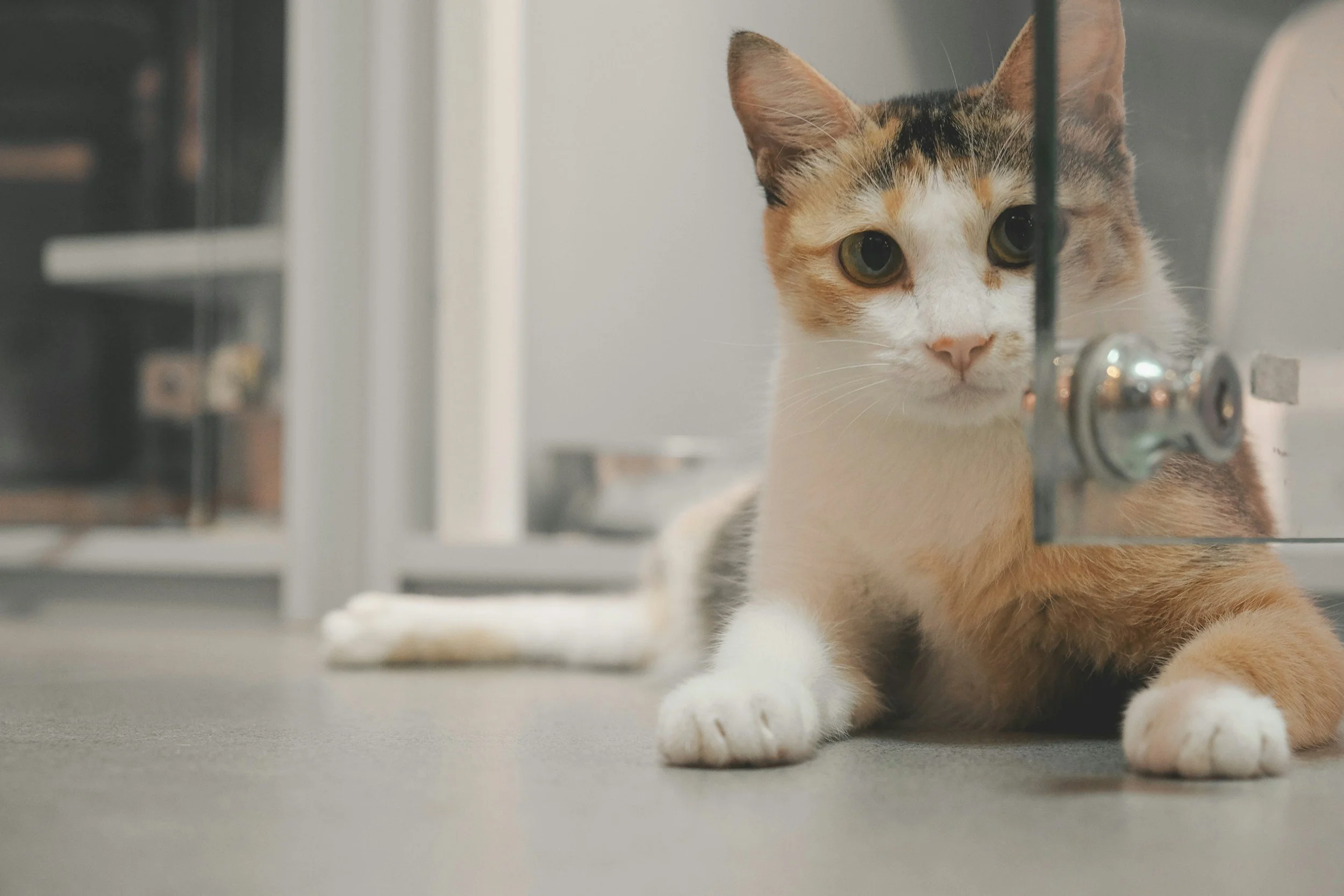
Pets have shared man's hearth and home since the earliest of recorded history.
At first, this relationship was pragmatic; dogs guarded the home or dwelling and helped with hunting and herding; cats drove rodents from places where crops were stored.
No one knows how early in history psychological factors entered this relationship. Did the offspring of early man--the hunters and herders who preceded written history-play with puppies and kittens much like the child of today? Did the families of early man take psychological as well as physical reassurance from the presence of a friendly animal, in the largely hostile environment in which they lived? Perhaps. We can only guess "what might have been," years ago.
Today, however, the psychological role of pets is documented and well known. Pets bring to our lives a continued contact with the natural roots from which we sprang. They provide companionship, not only for children but for men and women of all ages. They help children learn such important issues as responsibility to other living creatures and about the cycles of life. For the elderly and for others who live alone without children, they provide a stimulus for exercise and add a refreshing new perspective of the world around them--which may otherwise be absent.
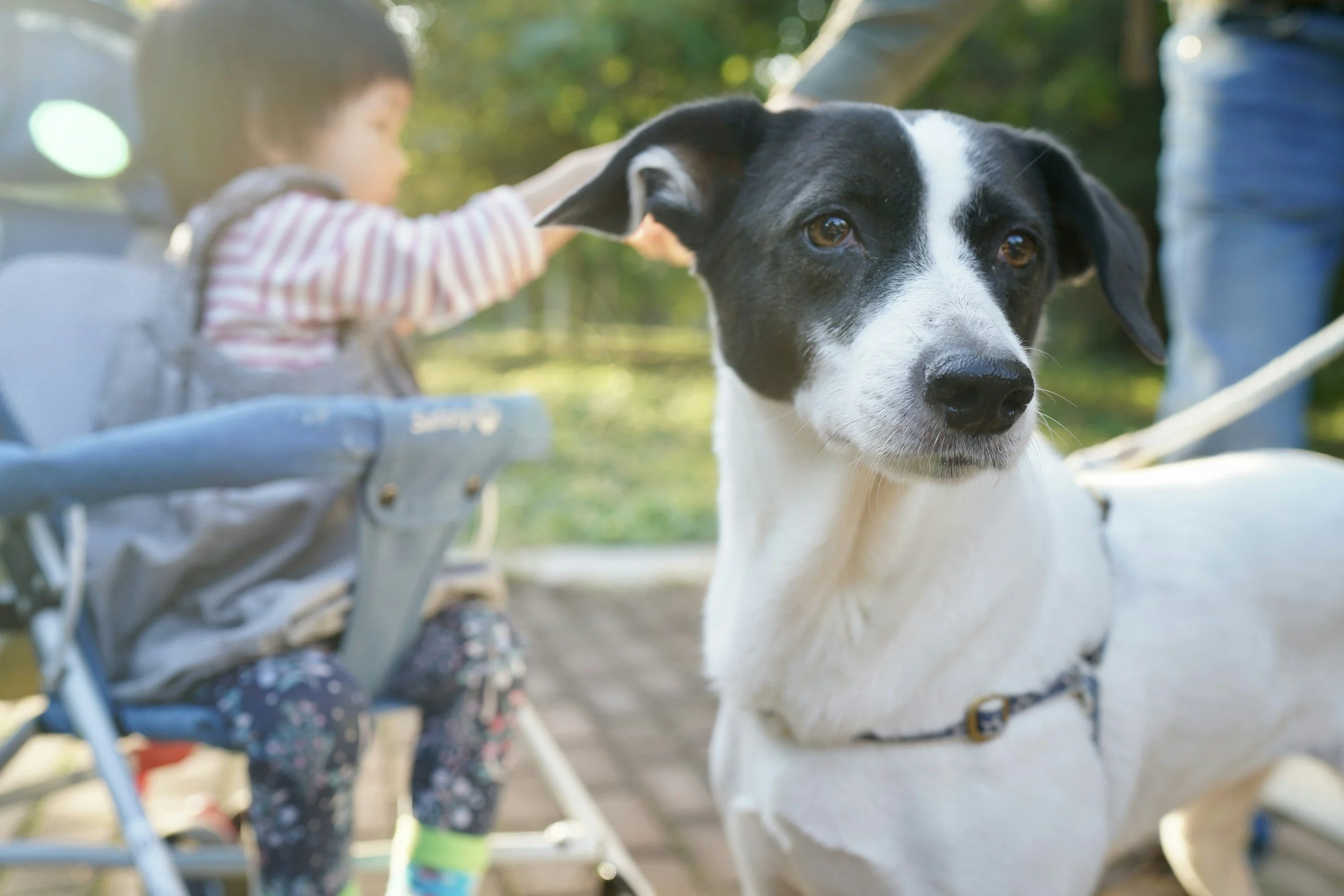
As life becomes more complex, and the tight-knit family style of our past is replaced by a more mobile society-in which so many of us live away from family and the communities in which we were born-many psychologists believe this role of pets in providing companionship and comfort is more important than ever before.
What makes a good pet?
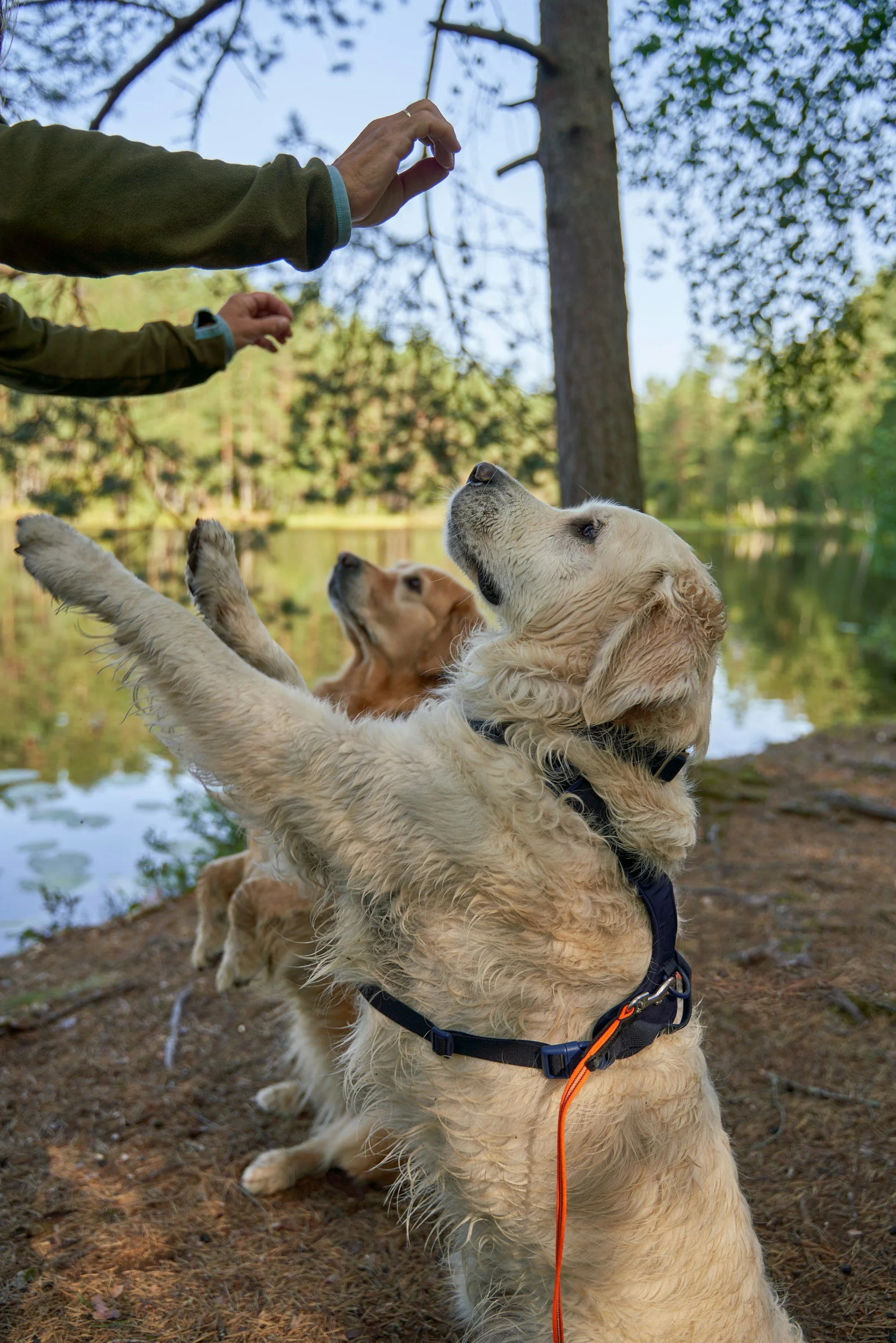
The good pet owner who trains and takes care of it.
There are many kinds and sizes of dogs; many varieties of cats. All can be good pets-depending on where and how they live; and how much time you want to put into activities you share with your pets. But the joys of pet ownership also bring responsibilities.
Choose Your Four-Footed Friends Carefully!
It's easy to fall in love with a puppy or kitten--they are all tiny, playful and irresistible. That's why you must be guided by your head as well as your heart when deciding which puppy or kitten will bring your family the most years of enjoyment and fun.
Before you get a bad case of puppy or kitten love, give some thought to the kind of pet you can really live with happily. Choose your four-footed friend with careful advance planning and thought.
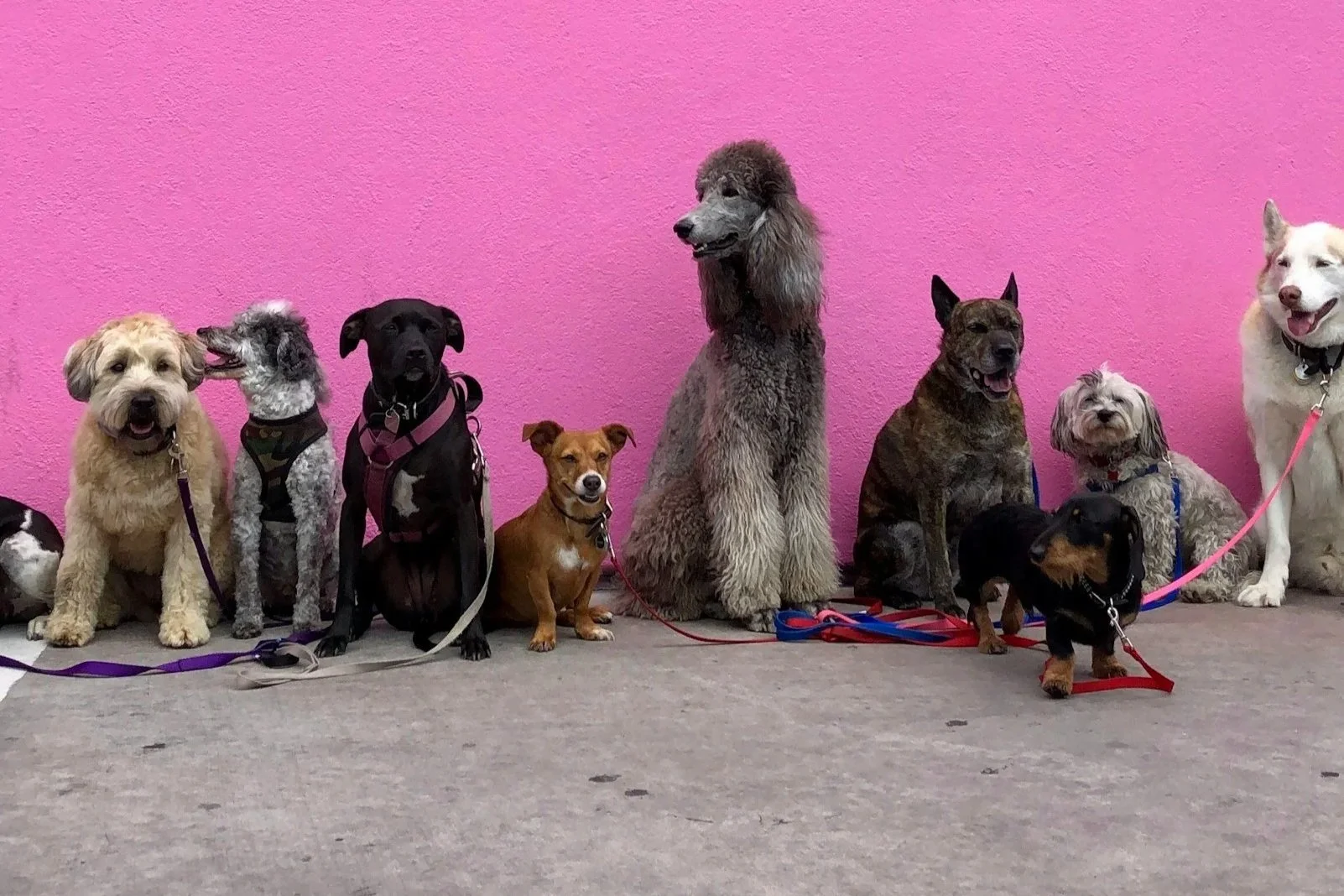
Like people, dogs and cats come in all sizes, shapes and personalities. Some require more attention than others, too. Before you adopt or purchase a pet, find out all you can about different breeds.
KEEP IN MIND
Your budget: How much money can you spend when purchasing a pet? Are your resources enough to buy a purebred or should you adopt a pet from an animal shelter? Do your resources allow for trips to the veterinarian, grooming and proper pet care?
Your time: How much time can you spend taking care of and grooming a pet? Should you consider a long-haired animal or one that requires a lot of exercise?
Your home: Is your house (or apartment) and yard large enough for a full grown St. Bernard or Old English Sheepdog? Is it more conducive to a small dog or cat?
Your family: Some breeds of cats and dogs may be suitable for children while others are better companions for adults. If you have children be sure you select an animal that enjoys a family atmosphere.
DO SOME RESEARCH
Read: books and magazines on pets available online, at libraries, book stores or humane societies.
Consult: veterinarians, breeders, friends who love pets, humane societies.
Visit: animal shelters— observe litters on hand.
Go: to pet shows, cat shows and dog shows, obedience trials.
KNOW WHERE TO ADOPT A NEW PET

Thoroughbred & mixed breed animals are available for adoption through organizations which take in neglected animals (humane societies, animal shelters).
Although you have less assurance of what a mixed breed pup or kitten will look like when full grown, mixed breed animals usually make devoted family pets. Animal shelters and humane societies are very interested in proper care and selection of dogs and cats.
These organizations take pride in helping you choose a pet suited to your lifestyle.
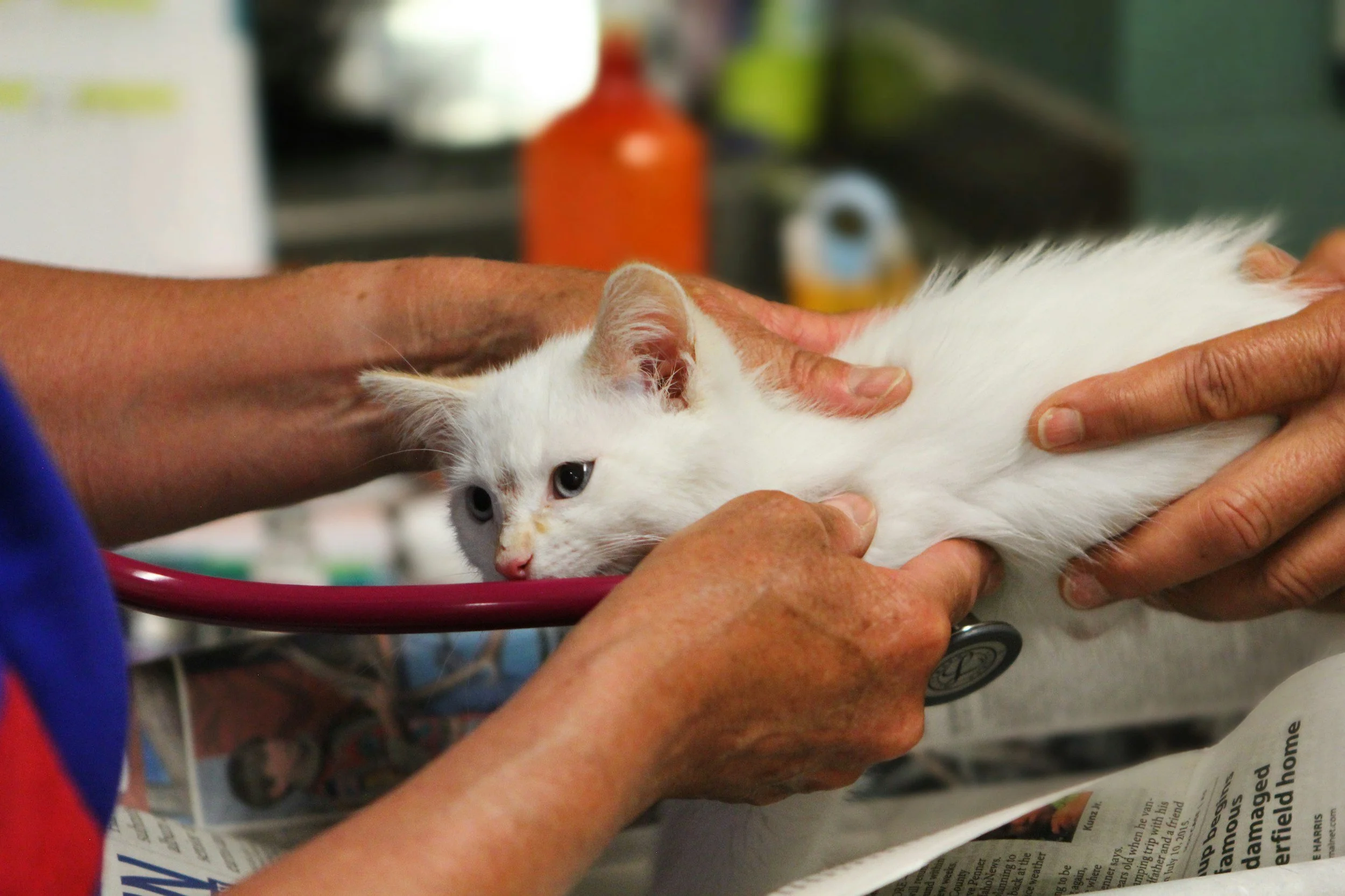
A Healthy Pet is a Happy Pet!
Your pet's good health and happy disposition are dependent upon visits to the veterinarian, proper nourishment, exercise and grooming.
Before you take your pet home for the first time, make an appointment with a veterinarian preferably within 24 hours of when you buy it. He will check your pet for worms, give necessary inoculations, make sure your pet is healthy and talk to you about scheduling checkups for your new dog or cat. Regular health check-ups and stool examinations for worms are an important part of pet ownership.
Veterinarians are highly trained doctors. They are extremely qualified to examine pets, administer inoculations and answer any questions you might have on pet care. Vets are experts at preventive medicin and are also expert diagnosticians. If your pet shows signs of poor health (limping, loss of appetite, runny eyes, difficulty getting up, etc.) take them to the veterinarian to find out what is causing the problem.
The Importance of a Balanced Diet for Your Pet
With today's assortment of fully formulated commercial pet foods to choose from, it's easy to give your pet well-balanced meals and proper nourishment. The wide variety of pet foods available lets you cater to your dog's and cat's taste preferences, give them food rewards and treats, and at the same time be sure they are getting a healthful diet.
Table scrap meals usually are not balanced and quite often are deficient in nutrients. Adding table scraps to a balanced pet food often adds unneeded extra calories to your pet's diet. Scrap feeding also spoils your pet's appetite for their regular meals and may make them finicky & picky. Carefully supervise your pet's diet. Make sure they have plenty of water to drink.
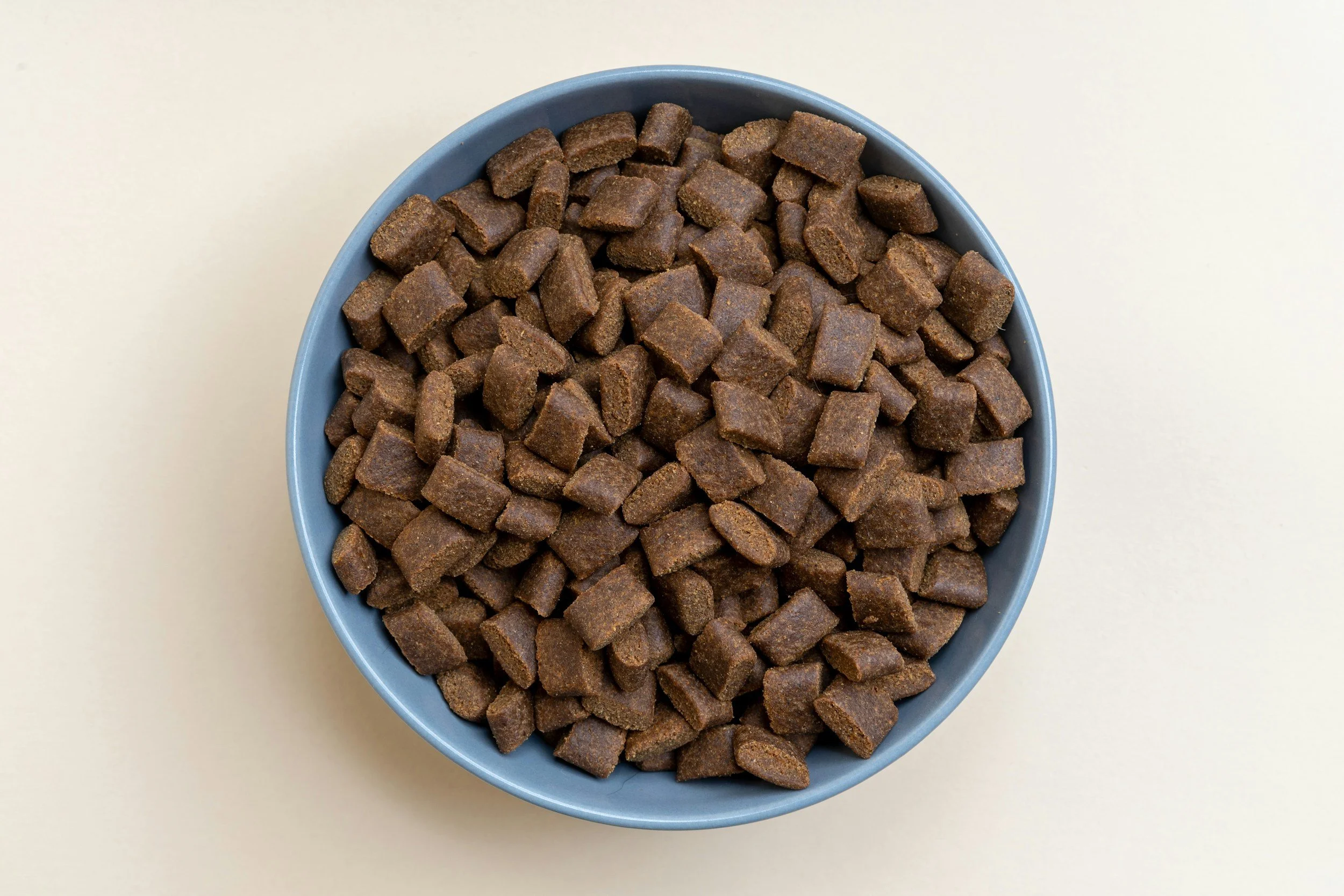
Don't overfeed: The amount of food your dog or cat requires depends on its age, metabolism and how much exercise they get during the day. If your pet seems to be gaining weight or if you are in doubt as to how much to feed, consult your veterinarian.
If for any reason you feel your pet isn't doing well on a particular pet food, try another one or get the advice of a veterinarian. Animals, like people, can disilike certain foods.
Keep Your Pet Groomed
Groom your pet so their coat always stays shiny, clean and free of ticks and fleas. If you have a long-haired animal, grooming often entails brushing, combing and trimming your pet's coat so it does not become matted or shabby.
A healthy pet means a happy pet-and a happy pet owner. Your pet will bring you years of happiness and companionship if they receive proper medical attention, nourishment, exercise and grooming.
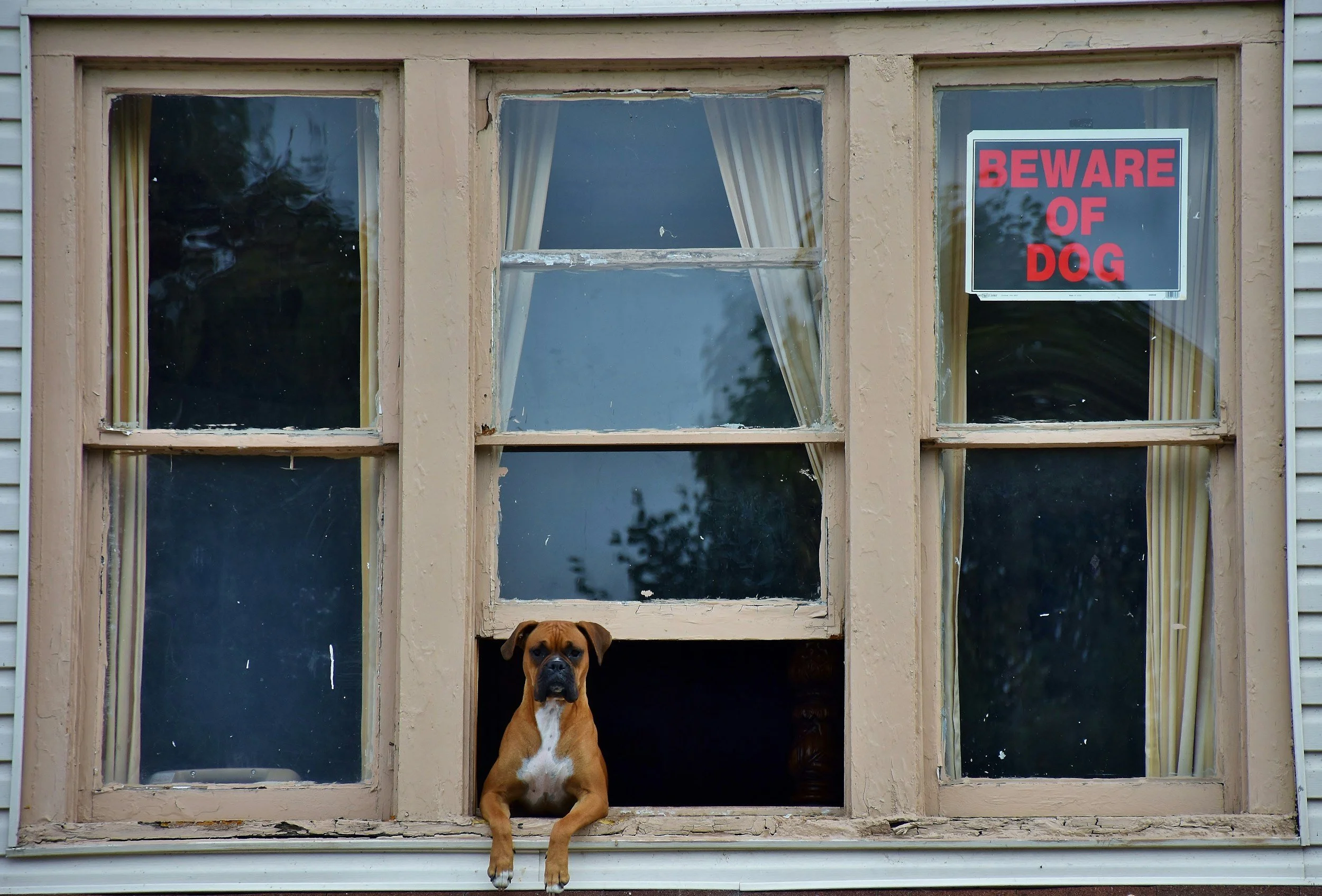
Family Watchdogs Should Be All Bark and
No Bite!
Under no circumstances should an attack or guard dog be selected for a family watchdog. Family watchdogs are pets. They should be all bark and no bite. Breeds which are protective by instinct include the German Shepherd, Doberman Pincher, Collie, Labrador Retriever, Airedale, and Schnauzer.
Your local humane societies will be able to direct you to the obedience class that is best for your pet. Being able to properly manage your dog will make their company that much more enjoyable.
Today's Pet, Tomorrow's Responsibility
The joy of pet ownership also brings responsibility. From the moment you adopt a pet, you are entrusted with caring for a creature with sensitive feelings and special needs. You must also make sure that your pet places no burden on others.
A "how-to" booklet on dog or cat care and training, a supply of nutritious pet foods, a leash and collar, and the continued support of family members makes pet care easy and enjoyable.
Be sure to:
Keep your pet under control
Prevent waste on public property
Provide your pet with good veterinary care, including
inoculation
Prevent unplanned breeding
Enjoy your new four-footed friends and the responsibilities of pet ownership. The two go hand-in-hand and make the world a better place for people and pets.